Manufacturing Production Scheduling Software
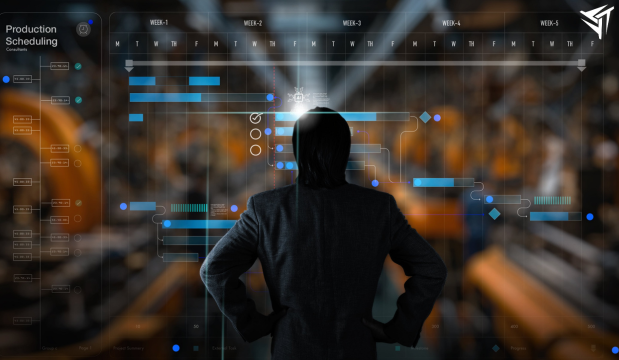
Manufacturing Scheduling Software connects digital scheduling data with physical production by tracking and controlling work orders in real time. It aligns production planning with resource availability and customer demand, reducing bottlenecks while enhancing operational efficiency.
This solution supports smart manufacturing by merging dynamic scheduling insights with centralized production control and facilitating agile decision-making.

Manufacturing Scheduling Challenges
Manufacturing scheduling is complicated by shifting customer demands, resource constraints, and production variability. Manual planning tools and disconnected systems make it hard to adjust schedules in real time. Without dynamic scheduling capabilities, manufacturers face delays, bottlenecks, and missed delivery targets.
What Does Production Scheduling Software Do?
Production Scheduling Software organizes and optimizes manufacturing schedules to align resources, labor, and materials with demand. It generates detailed, real-time production plans that account for constraints like machine availability, shift patterns, and order priorities. This improves on-time delivery, maximizes throughput, and reduces bottlenecks by keeping production efficient and responsive.
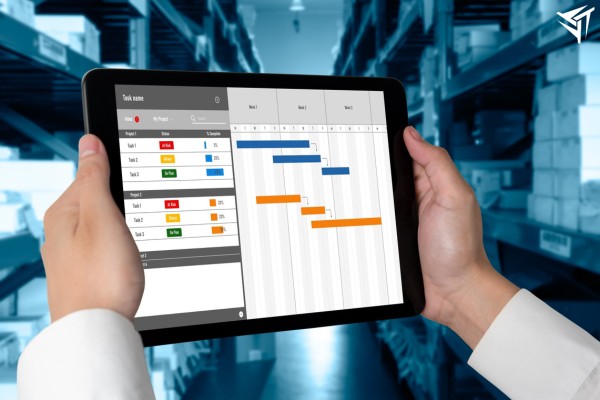
Features of Manufacturing Scheduling Software

Real-Time Production Scheduling
Leverages advanced algorithms that dynamically update production sequences as orders and machine statuses change. It adapts instantly to disruptions and process variations, ensuring seamless flow and peak operational efficiency.
Integrated Analytics & Visualization
Features interactive dashboards and visual planning tools that transform raw production data into actionable insights. Users can track progress, spot bottlenecks, and fine-tune schedules to drive continuous process improvements.
Automated Resource Allocation
Automatically assigns machines, labor, and materials by balancing capacity with demand forecasts. This smart feature reduces idle time and streamlines scheduling across shifts, enhancing overall output while coordinating resources optimally.
Manufacturing Scheduling Software Benefits
Optimized Efficiency
Maximizes throughput by precisely aligning production activities and reducing idle time.
Reduced Downtime
Quickly adjusts schedules to mitigate delays from unexpected process changes.
Enhanced Flexibility
Adapts promptly to order and capacity fluctuations for smoother operations.
Improved On-Time Delivery
Ensures products are manufactured and delivered according to planned timelines.
Cost Savings
Cuts operational expenses by reducing waste and improving resource use.
Boosted Productivity
Streamlines processes to increase output with smarter work coordination.
APS Software Products
Siemens Opcenter APS
Snic Solutions is recognized as one of the elite organizations partnered with Siemens as a value-added reseller of Opcenter.

Software Integration
Manufacturing Production Scheduling Software integrates with MES, ERP, and APS systems to align production plans with real-time shop floor conditions and material availability.
What happens when you integrate?
Integration ensures dynamic schedule adjustments based on actual capacity and demand. This minimizes downtime, improves on-time delivery, and enhances coordination between planning and execution.
Related Articles
From Our Blog
Stay up to date with what is new in our industry, learn more about the upcoming products and events.
Frequently Asked Questions
Have Question? We are here to help
Start by analyzing demand, resource capacity, and deadlines. Then, use scheduling software to allocate tasks, balance workloads, and sequence jobs to optimize throughput.
A production planner develops the overall manufacturing plan, while a production scheduler creates the detailed day-to-day sequence of tasks and resources.
A production planner is responsible for forecasting demand, setting production goals, and aligning material and labor needs with delivery timelines.
-
Forward Scheduling – Plans from start to finish
-
Backward Scheduling – Plans from deadline backward
-
Centralized Scheduling – Oversees all operations from a single point
It’s a detailed timeline of production activities, outlining when and where specific products are made, using which machines and resources.
Scheduling is the process of assigning jobs to machines and labor based on priority, availability, and delivery dates to ensure efficient production flow.
It involves planning work orders, allocating resources, sequencing jobs, and tracking progress to meet deadlines and optimize throughput.
It’s a structured plan that outlines when and how products will be manufactured, including job assignments, durations, and resource usage.
It starts after production planning and includes task sequencing, machine assignment, shift planning, and continuous adjustment based on real-time inputs.
-
Routing
-
Scheduling
-
Dispatching
-
Follow-up and monitoring
A scheduler assigns jobs, manages workloads, and adjusts timelines in real time to keep production running smoothly and on target.
It’s the process of organizing and managing the production timeline, ensuring that materials, labor, and machines are used efficiently.
Job orders, start/end times, machine assignments, labor availability, materials needed, and production priorities.
It’s a time-based plan that outlines what will be produced, when, and using which resources, usually displayed in a Gantt chart or dashboard.
Use real-time data on demand, capacity, and resource availability. Apply scheduling software to allocate jobs and update plans as changes occur.
It includes job release, task sequencing, resource allocation, real-time adjustments, and progress monitoring throughout the production workflow.
Partner With Us To Reduce Your Technical Debt
Snic Solutions is recognized as one of the elite organizations partnered with Siemens as a value-added reseller of Opcenter.